

VitalMan Naturals
A man at his morning routine near a kitchen window with warm afternoon light

VitalMan Naturals — Healthy Lifestyle

Healthy Lifestyle: How Natural Supplements Fit Into a Man's Daily Routine

Natural supplements for men are most useful when they sit alongside consistent nutrition, regular movement, and adequate rest — not when they are treated as a replacement for any of those. This page explains how vitamin supplements for men, energy and endurance supplements, and other men's health support products fit into a practical daily routine.

A Note Before You Read

The advice here is general, not personal

The information on this page is based on common patterns in how healthy lifestyle products are labeled and used. We do not provide personalized nutritional guidance, and we do not claim that any supplement will compensate for poor sleep, under-eating, or a sedentary week. The goal is to give you a clear framework for thinking about where vitamins and minerals for men fit — and where they do not.

If you have a specific health concern or take other supplements regularly, the appropriate step is to speak with a qualified professional. That conversation will tell you more than any informational website can.

Food First, Supplements Second

Supplements are called supplements because they add to a diet — not replace it

The foundation of any wellness routine is food. For men eating a varied diet that includes protein sources, whole grains, vegetables, and some fruit, a basic multivitamin may fill small gaps but will not produce a dramatic difference. The body absorbs nutrients most efficiently from whole food, where vitamins sit alongside fiber, minerals, and other compounds that work together.

For men with restricted diets — limited food variety, low calorie intake, or exclusion of entire food groups — specific supplements like B12 or zinc may be more relevant. A vegetarian who eats no animal products, for instance, may benefit from B12. Someone who trains hard and eats lightly may find a basic multivitamin helps cover micronutrient gaps that food alone is not meeting.

We mention this because the marketing around popular products for men often frames a capsule as the starting point, when food is the actual starting point. Natural capsules for strength and vitality can be a useful addition to an already functional routine. They are not a substitute for the routine itself.

Protein Intake and Active Men

The most common nutritional gap among active men who also buy energy and endurance supplements

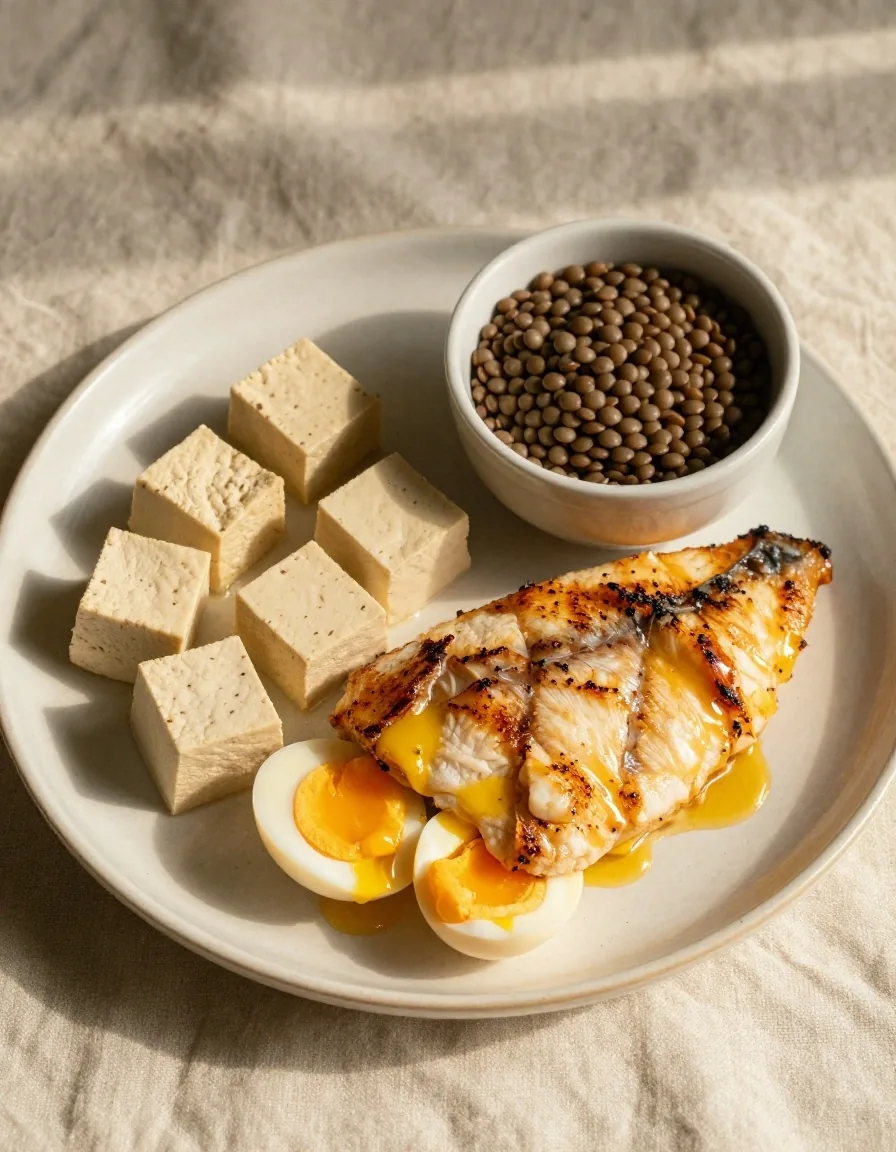
Men who train regularly or maintain physically demanding work need adequate protein to support recovery and muscle maintenance. Common protein sources include eggs, fish, poultry, red meat, and plant-based options like tofu and lentils. The exact amount varies by body weight, training intensity, and goals — but the principle holds across all of them: food builds the foundation.

While protein powders are not the focus of this site, we mention protein because it is the gap we see most often among active men who also buy energy and endurance supplements. Taking a ginseng capsule or an L-citrulline powder before a workout does not compensate for eating too little protein across the day.

The supplement supports the routine. The food builds it. If your plate is short on protein most days, no capsule will make up the difference — and the energy supplement you take before training will feel less effective, because the raw material for recovery is not there.

Common protein food sources arranged as a specimen plate on linen

Common protein sources: eggs, fish, poultry, tofu, lentils.

Hydration and Supplement Absorption

Water is a factor in how well some supplements are tolerated and used by the body

B-complex vitamins and vitamin C are water-soluble, meaning they require adequate fluid intake to be absorbed and used efficiently. Amino acid powders like L-arginine and L-citrulline are mixed with water and consumed as a drink, which also contributes to hydration throughout the day.

Magnesium and zinc supplements are generally better tolerated with food and sufficient water, particularly for men who experience stomach discomfort when taking minerals on an empty stomach. The difference between taking a mineral with a glass of water versus without one is noticeable for some people.

If you are adding a supplement to your routine, pay attention to whether you are also drinking enough water throughout the day. This is a simple but commonly overlooked factor — men who are careful about what they take often pay less attention to how much water they drink alongside it.

Practical check

If your mouth feels dry an hour after taking a supplement, or if you feel slightly nauseated after a mineral on an empty stomach, water and food placement are the first variables to adjust before evaluating whether the product itself is the issue.

A quiet bedroom corner with warm afternoon light suggesting rest and recovery

Rest is the baseline everything else sits on.

Sleep and Recovery Basics

Sleep is the single most common limiting factor in men's wellness routines

Most adults need seven to nine hours per night, and chronic sleep deprivation affects energy, mood, and physical performance more than any supplement can offset. When sleep is short for a week, no capsule restores what the body lost during those hours.

Some men's health support products include magnesium in the evening serving, specifically because of its association with muscle relaxation and rest. We do not claim that magnesium or any other supplement addresses sleep disorders. What we can say is that if you are taking an energy supplement with caffeine in the afternoon and also sleeping poorly, the caffeine is the first variable to address before evaluating whether any other product is working.

The order matters: fix sleep first, then reassess what else you are taking.

Movement and Physical Activity

Regular movement is what makes natural supplements for men meaningful

A multivitamin supports general nutrient intake. An amino acid product supports training. A ginseng capsule supports an active day. None of these make sense if the person taking them sits for ten hours and walks only between the desk and the car. The type of activity you do affects which supplements are relevant to you.

Endurance athlete

Running, cycling, futsal, long-distance training. These activities place sustained demand on blood flow and oxygen delivery. An L-citrulline product may be relevant because of its role in nitric oxide production during sustained effort.

Relevant supplements: L-citrulline, electrolytes, B-complex

Desk worker

Most of the day seated, with movement limited to commuting and occasional exercise. Nutrient gaps are more likely to come from limited sun exposure and food variety than from training demand. A basic multivitamin and vitamin D are the more relevant additions here.

Relevant supplements: multivitamin, vitamin D, magnesium

For men in Indonesia, common activity options include gym training, running, cycling, futsal, and manual labor. The supplement should follow the activity, not lead it. If you are unsure where your routine sits on this spectrum, the two questions that matter most are: how much do you move each day, and how varied is the food you eat?

Routine Structure: Morning and Evening

A simple way to structure supplements is by morning and evening use

Morning

With breakfast, before activity

  • B-complex, taken with food
  • Vitamin D, with breakfast fats
  • Ginseng or maca, before an active day
  • Energy or endurance product, before training

Evening

With dinner, before rest

  • Magnesium, with food and water
  • Recovery or relaxation products
  • Zinc, if part of your routine
  • Avoid caffeine-containing products after mid-afternoon

This structure aligns with how the body uses different ingredients and is reflected in many product labels that suggest morning or evening use. Some men's health support products are sold as a day-and-night pack with two separate servings, which makes this structure easier to follow.

If you take a single daily multivitamin, morning with food is the most common approach. Fat-soluble vitamins (A, D, E, K) absorb better with the fats in a meal, so taking them on an empty stomach first thing in the morning is less effective than taking them with breakfast.

What Supplements Cannot Do

We keep this section blunt because it matters

They do not replace sleep

No capsule restores what chronic sleep loss takes out of energy and mood.

They do not replace food

A multivitamin fills gaps — it does not build the structure. Food does.

They do not produce rapid body changes

Meaningful change takes weeks of consistency across food, movement, and rest.

They do not compensate for a skipped week

A week of missed meals and no movement is not fixed by taking more capsules.

If a product label implies any of the above, approach it with skepticism. Natural capsules for strength and vitality can be a useful addition to an already functional routine. They are not a substitute for the routine itself.

If you are unsure whether a supplement is appropriate for you, or if you have a specific concern, the appropriate step is to speak with a qualified professional — not to rely on an informational website.

Where to go next

If this page gave you a framework, these give you the detail

VitalMan Naturals is an educational resource on natural supplements for men, vitamins and minerals for men, and healthy lifestyle products. The information on this site is general and is not personalized nutritional guidance.